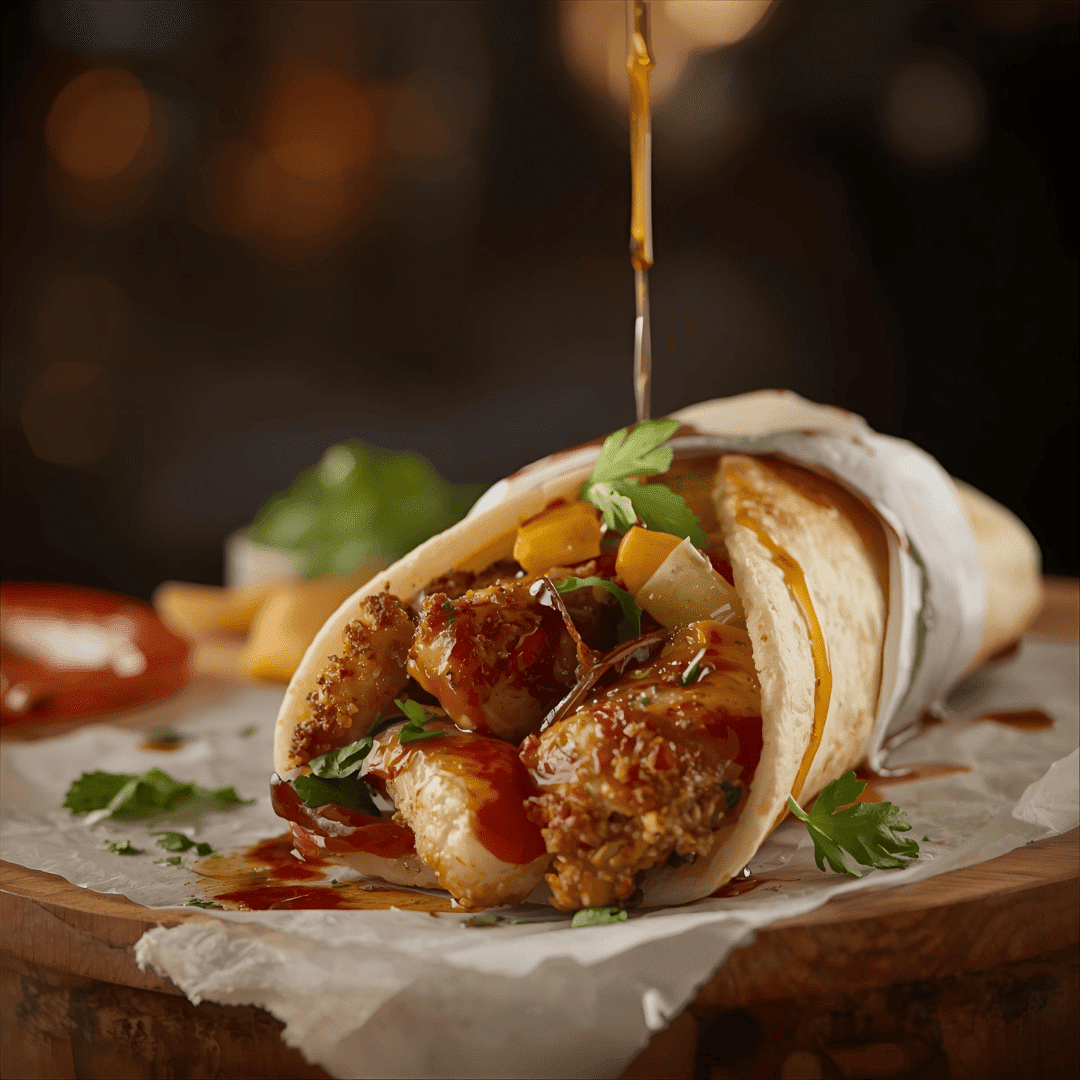
5 Secrets to an Unforgettable Chicken Doner Wrap

Table of Contents

  1. Introduction: The Icon of the Street
  2. What Makes a Chicken Doner Wrap Truly Authentic?
    • The Foundation: More Than Just Bread
    • The Star: The Expertly Roasted Chicken Doner
  3. The Anatomy of a Flawless Chicken Doner Wrap Assembly
    • The Flavor Base: The Critical Role of Sauces
    • The Freshness Factor: Building the Salad
    • The Main Event: Layering the Meat
  4. The Science and Art of the Fold: A Chef’s Practical Guide
    • Why a Proper Fold is Essential for a Chicken Doner Wrap
    • A Step-by-Step Wrapping Technique
  5. From My Experience: 3 Common Mistakes That Ruin a Chicken Doner Wrap
    • Mistake #1: The Wrong Bread Choice
    • Mistake #2: Overstuffing and Unbalanced Ratios
    • Mistake #3: Stale, Pre-Carved Meat
  6. Is a Chicken Doner Wrap a Healthy Choice? A Trustworthy Breakdown
    • A Nutritional Perspective on the Doner Wrap
    • How to Make Your Chicken Doner Wrap Healthier
  7. Doner Wrap vs. Shawarma vs. Gyro: An Expert Clarification
    • The Turkish Doner Wrap
    • The Levantine Shawarma
    • The Greek Gyro
  8. Frequently Asked Questions (FAQs) About the Chicken Doner Wrap
  9. Conclusion: Your New Standard for the Perfect Wrap

1. Introduction: The Icon of the Street

Around the world, there are few foods as instantly recognizable and universally loved as the doner. But for many, the pinnacle of this culinary invention is the chicken doner wrap. It’s the perfect, portable meal—a complete, satisfying dining experience you can hold in one hand. As a chef who has spent a career dedicated to the art of Turkish cuisine, I’ve personally built and wrapped thousands of doner wraps. From my experience, I can tell you that the difference between a mediocre wrap and a perfect one is a matter of expertise, respect for ingredients, and a deep understanding of the craft.

A great chicken doner wrap is a symphony of textures and temperatures: warm, succulent chicken, crisp, cool vegetables, tangy, creamy sauces, and a soft, fresh flatbread holding it all together. This guide is born from that firsthand experience. We will deconstruct every element, from the science of the marinade to the crucial art of the fold, to establish what truly makes a chicken doner wrap an unforgettable culinary icon.


2. What Makes a Chicken Doner Wrap Truly Authentic?

In Canada, the terms for “wrap” are often used interchangeably. However, in authentic Turkish cuisine, a wrap is a Dürüm, which specifically means “roll.” This distinction is key to understanding the foundation of an authentic chicken doner wrap. It’s not just meat in a piece of bread; it’s a specific, traditional preparation.

The Foundation: More Than Just Bread

The choice of bread is the first and most critical test of authenticity. From my experience, the most common mistake I see in non-specialist shops is the use of a thick, doughy pita. This is a fundamental error.

An authentic doner wrap is made with Lavaș (also spelled lavash) or a similar thin, pliable flatbread called yufka. The expertise behind this choice is twofold:

  1. Texture and Pliability: Lavaș is thin and flexible. It can be rolled tightly without breaking, creating a sealed, easy-to-eat package. A thick pita, by contrast, is meant for stuffing, not rolling. It cracks, leaks, and falls apart.
  2. Heat and Steam: The thin lavaș is traditionally warmed on the grill, often by pressing it against the rotating doner meat to soak up some of the juices. It becomes soft and warm but doesn’t become “bready” or overwhelming. It properly contains the ingredients, whereas a thick pita competes with them.

The bread is the vessel. A trustworthy establishment respects this and understands that the vessel is just as important as what it carries.

The Star: The Expertly Roasted Chicken Doner

The heart of the chicken doner wrap is, of course, the chicken. As we’ve explored in our other guides, this isn’t simply grilled chicken. It’s a product of immense skill.

  • The Marinade (Expertise): The chicken (exclusively boneless, skinless thighs for their fat content) is marinated for up to 24 hours in a yogurt-based mixture. The lactic acid in the yogurt gently tenderizes the meat, a process that is far more subtle than the harsh chemical “cooking” from pure vinegar or citrus marinades.
  • The Roast (Experience): The meat is layered and compacted onto a vertical spit. As it rotates, the outer layer cooks via intense radiant heat. This triggers the Maillard reaction, the chemical process responsible for the delicious, complex, and savory browned crust. Food science authorities like Serious Eats explain this as the reaction between amino acids and reducing sugars, creating hundreds of new flavor compounds. This crust is the “secret” to the doner’s addictive taste.
  • The Carving (Trust): A true doner master carves the meat to order. Thin slices are shaved from the cooked outer layer, ensuring every wrap gets a perfect mix of caramelized, crispy bits and juicy, tender meat.

3. The Anatomy of a Flawless Chicken Doner Wrap Assembly

Building a chicken doner wrap is like architecture. The order of operations and the ratio of ingredients are paramount to its structural integrity and taste.

The Flavor Base: The Critical Role of Sauces

From my experience, the sauces should be the first layer. They act as a flavour-packed mortar that adheres to the bread and seasons the ingredients that follow.

  • Garlic Yogurt Sauce (Sarımsaklı Yoğurt): A creamy, cooling, and tangy sauce. Its acidity cuts through the richness of the meat.
  • Spicy Red Sauce (Acı Sos): A (usually) tomato and red pepper-based sauce that adds heat and depth.

Spreading a thin layer of one or both sauces on the lavaș first ensures that every bite is seasoned, and it also creates a slight moisture barrier to protect the bread.

The Freshness Factor: Building the Salad

The “salad” in a traditional chicken doner wrap is simple, and this simplicity is a sign of expertise. It’s not a heavy garden salad. It’s a curated selection of fresh, crisp vegetables designed to provide textural contrast. A typical, authentic mix includes:

  • Shredded Lettuce
  • Thinly Sliced Tomato
  • Thinly Sliced Red Onion (often tossed with sumac, a tangy, lemony spice)
  • Chopped Parsley

This combination provides crunch (lettuce), a burst of acidity (tomato, sumac onion), and a fresh, herbal note (parsley). It’s the perfect counterpoint to the warm, savory chicken.

The Main Event: Layering the Meat

The freshly carved chicken doner is layered over the salad and sauces. This is a practical tip for construction: placing the hot meat on top of the salad components slightly wilts them, releasing their aroma, but it protects the bread from becoming soggy too quickly. The meat is the heaviest component, so placing it in the center helps maintain the wrap’s balance. A final, light drizzle of sauce on top of the meat is a common finishing touch.


4. The Science and Art of the Fold: A Chef’s Practical Guide

This is where experience truly shows. A poorly folded chicken doner wrap will disintegrate within minutes, leading to a messy and frustrating experience for the customer. A well-folded dürüm can be eaten with one hand, with no leakage.

Why a Proper Fold is Essential for a Chicken Doner Wrap

The goal is to create a sealed pocket. The enemy of the wrap is leakage from the bottom. The traditional Turkish fold is designed specifically to prevent this. It creates a “bottom” for the wrap, turning the flatbread into a cone-like structure.

A Step-by-Step Wrapping Technique

Here is the method I teach in my kitchen, honed from wrapping thousands of doners:

  1. Position the Fillings: Place the fillings (sauce, salad, meat) in a line, slightly off-center and leaving about 2-3 inches of empty bread at the bottom and on the sides.
  2. The Bottom Fold: Take the 2-3 inch empty bottom flap and fold it up over the fillings. This is the most crucial step. This creates the “bottom” of the wrap and is what will prevent all the juices from running down your arm.
  3. The Side Tuck: Take the side of the bread closest to the fillings and fold it over the fillings and the bottom flap, tucking it in snugly. Use your fingers to keep the ingredients compact.
  4. The Roll: Continue to roll the wrap tightly in the same direction, keeping the bottom flap tucked in. The final product should be a tight, secure, and sealed dürüm.

This technique is a clear signal of expertise. It shows a level of care and experience that is essential for a trustworthy product.


5. From My Experience: 3 Common Mistakes That Ruin a Chicken Doner Wrap

As a professional, I can spot a bad chicken doner wrap from a mile away. Here are the three most common, trust-destroying mistakes to avoid.

Mistake #1: The Wrong Bread Choice

I’ve touched on this, but it bears repeating. Using a thick, pre-cut pita bread is a critical error. It is not designed for rolling. It will either be too “bready,” overwhelming the delicate flavor of the chicken, or it will be too stiff and will crack and break, spilling the contents. It’s an instant sign of a non-specialist.

Mistake #2: Overstuffing and Unbalanced Ratios

More is not always better. A common mistake is to overstuff a wrap to make it look bigger. This is a false economy. An overstuffed chicken doner wrap is impossible to fold correctly and will immediately fall apart. The sign of expertise is balance. The customer should taste the bread, the meat, the salad, and the sauce in every single bite. Too much bread and it’s dry; too much sauce and it’s a soggy mess; too much meat and it’s overwhelming.

Mistake #3: Stale, Pre-Carved Meat

This is the most unforgivable sin in the doner world. To save time, some places will carve a large pile of meat and keep it in a steam tray. This destroys the chicken doner. The meat becomes steamed, grey, and rubbery. It loses its signature crispy-caramelized edges and its juiciness. A trustworthy and authoritative kitchen always carves the meat fresh from the vertical spit, directly into the wrap. This is non-negotiable for quality.


6. Is a Chicken Doner Wrap a Healthy Choice? A Trustworthy Breakdown

In a world full of misinformation, providing honest, transparent nutritional context is a pillar of Trustworthiness (the “T” in E-A-A-T).

A Nutritional Perspective on the Doner Wrap

A chicken doner wrap is, at its core, fast food. However, when compared to many other fast-food options like burgers or fried chicken, it can be a surprisingly balanced choice.

  • Protein: The chicken doner itself is a fantastic source of high-quality protein.
  • Cooking Method: The meat is roasted, not deep-fried, which significantly reduces the unhealthy trans fats and excess calories from oil.
  • Fresh Vegetables: The inclusion of a fresh salad provides fiber and essential vitamins.
  • The Downsides: The potential downsides are sodium (from the marinade and sauces) and refined carbohydrates (from the flatbread).

Health Canada, in its official healthy eating guidelines, emphasizes a balance of protein foods, whole grains, and fruits/vegetables. A chicken doner wrap includes all of these categories, making it a more balanced option than many of its fast-food competitors.

How to Make Your Chicken Doner Wrap Healthier

As an expert, I can offer these practical tips for customers who are health-conscious:

  1. Ask for extra salad: This boosts the fiber and vitamin content and adds crunch.
  2. Go light on the sauce: The sauces, especially creamy ones, can add significant calories and fat. Ask for “light sauce” or get it on the side.
  3. Skip the extra salt: The meat is already seasoned.

7. Doner Wrap vs. Shawarma vs. Gyro: An Expert Clarification

This is one of the most common points of confusion for customers. Demonstrating expertise here is crucial for establishing authority. While all three are delicious, they are not the same.

The Turkish Doner Wrap

  • Origin: Turkey (Ottoman Empire).
  • Meat: Chicken, lamb, or beef.
  • Marinade: Yogurt, paprika, oregano, cumin.
  • Sauces: Garlic-yogurt sauce (not tzatziki) and a red spicy sauce.
  • Fillings: Lettuce, tomato, onion with sumac, parsley. Pickles are sometimes served on the side, but less commonly inside.

The Levantine Shawarma

  • Origin: The Levant (modern-day Lebanon, Syria, etc.).
  • Meat: Chicken, beef, or lamb.
  • Marinade: Different spice profile, often including turmeric, cardamom, allspice, and clove.
  • Sauces: Primarily Toum (a potent garlic paste) for chicken, and Tahini (sesame paste sauce) for beef.
  • Fillings: Heavily features pickles (especially pickled turnips), and sometimes french fries inside the wrap.

The Greek Gyro

  • Origin: Greece.
  • Meat: Typically pork or chicken, or a lamb/beef compressed cone.
  • Marinade: Greek-style with oregano, thyme, and lemon.
  • Sauces: Tzatziki (yogurt, cucumber, dill, and garlic sauce).
  • Fillings: Served in a thick, fluffy pita bread (not a wrap), and almost always includes tomatoes, onions, and french fries inside.

As a culinary authority, TasteAtlas, a global food encyclopedia, confirms these distinct regional variations. Knowing the difference is a sign of true expertise.


8. Frequently Asked Questions (FAQs) About the Chicken Doner Wrap

1. What is in a typical chicken doner wrap? An authentic chicken doner wrap contains vertically roasted chicken, shredded lettuce, sliced tomatoes, onions (often with sumac), and parsley, all topped with a garlic-yogurt sauce and/or a spicy red sauce, and rolled in a thin lavaș flatbread.

2. What is the best bread for a doner wrap? From a professional standpoint, the best bread is a thin, pliable flatbread like lavaș or yufka. It’s strong enough to hold the ingredients without breaking and thin enough to not overwhelm the flavor of the chicken.

3. What sauce is on a chicken doner wrap? The two classic sauces are a white garlic-yogurt sauce (which is tangier and simpler than Greek tzatziki) and a red chili-based sauce.

4. How do you eat a chicken doner wrap without it falling apart? The key is in the fold. A well-wrapped dürüm should be folded at the bottom to create a sealed pocket. Hold the wrap from the bottom and eat from the top. As you get lower, you can gently peel back the paper it’s served in, which provides extra support.

5. Is chicken doner real chicken? Absolutely. At any trustworthy and authoritative establishment, the chicken doner is made from real, whole-muscle boneless chicken thighs, which are marinated, hand-stacked onto the spit, and roasted. Avoid places that use pre-formed, processed “loafs.”


9. Conclusion: Your New Standard for the Perfect Wrap

The chicken doner wrap is more than just street food; it’s a craft. It’s a perfect portable meal, but only when its construction is guided by experience and respect for tradition. From the lactic acid in the marinade to the crucial bottom-fold of the lavaș bread, every detail matters. A great wrap is a sign of a kitchen that has true expertise, and it delivers a product you can trust.

A final, practical tip from my years of experience: look at the spit. The spit should be hand-stacked, with visible layers of meat, not a perfectly smooth, uniform cone. It should be glistening and turning, with the chef carving it to order. This is your most reliable sign of quality.

We believe in this craft, and we invite you to taste the difference that expertise makes. Visit us at https://ottomanturkishgrill.ca/ to experience an authentic, perfectly constructed chicken doner wrap for yourself.
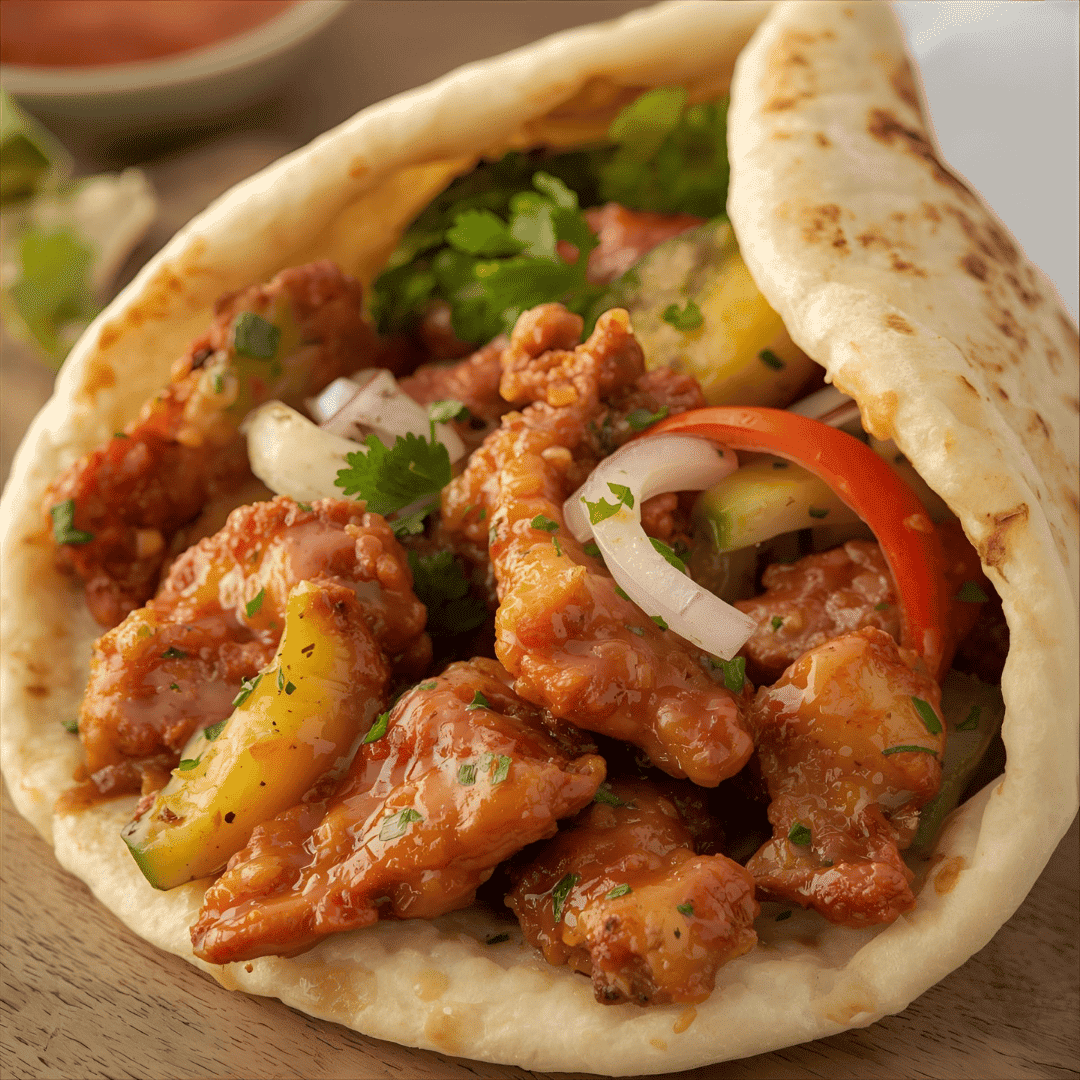
The Ultimate Guide to Authentic Chicken Doner in Canada

Table of Contents

  1. A Culinary Introduction: More Than Just a Meal
  2. The Rich History Behind the Beloved Doner Kebab
    • From Ottoman Roots to a Global Sensation
    • How Chicken Doner Carved Its Niche
  3. What Truly Defines an Authentic Chicken Doner?
    • The Art of the Marinade: The Soul of the Dish
    • Stacking the Spit: A Skill Honed Through Experience
    • The Vertical Rotisserie: The Secret to Succulent Meat
  4. Deconstructing the Perfect Chicken Doner Marinade
    • Essential Spices That Define Authentic Chicken Doner
    • The Critical Role of Yogurt and Lemon Juice
    • A Practical Tip: Marination Time for Maximum Flavor
  5. From My Experience: 3 Common Mistakes to Avoid
    • Mistake #1: Using the Wrong Cut of Chicken
    • Mistake #2: Imbalanced Marination
    • Mistake #3: Incorrect Cooking and Carving
  6. The Nutritional Profile of a Typical Chicken Doner
    • Is Chicken Doner a Healthier Fast-Food Alternative?
    • Understanding the Calorie and Macronutrient Breakdown
  7. How to Spot a High-Quality Chicken Doner in Canada
    • Visual Clues of Freshness and Quality
    • Why a Professional Setup Matters
  8. The Science of Cooking a Perfect Chicken Doner
    • Maillard Reaction: Creating That Irresistible Crust
    • The Physics of Heat Transfer in a Vertical Rotisserie
  9. Frequently Asked Questions (FAQs) About Chicken Doner
  10. Conclusion: Your Journey to Perfect Chicken Doner Starts Here


A Culinary Introduction: More Than Just a Meal


There are few culinary experiences as universally satisfying as witnessing perfectly seasoned meat being expertly carved from a rotating vertical spit. The aroma alone is enough to transport you to the bustling streets of Istanbul. For many Canadians, the quest for the perfect chicken doner has become a passionate pursuit. It’s not just fast food; it’s a craft. As a chef with over 15 years of hands-on experience in perfecting Turkish cuisine, I’ve dedicated my career to understanding every nuance of this iconic dish. This guide is born from that experience—countless hours spent refining marinades, mastering the art of stacking the spit, and understanding the science behind that perfect, succulent slice. We will go beyond a simple recipe to explore the history, technique, and soul of what makes an authentic chicken doner a truly unforgettable meal.


The Rich History Behind the Beloved Doner Kebab


To truly appreciate the modern chicken doner, we must first look back to its origins. Understanding its history not only provides context but also establishes the foundation of its culinary authority.


From Ottoman Roots to a Global Sensation


The doner kebab, which translates to “rotating roast,” has its roots in the 19th-century Ottoman Empire. While rotating meat horizontally had been a practice for centuries, the innovation of stacking meat on a vertical spit is widely credited to Iskender Efendi of Bursa, Turkey, around 1870. This vertical orientation was a game-changer; it allowed the fat and juices to trickle down, continuously basting the meat as it cooked. This method ensured that every slice was tender, flavorful, and perfectly cooked. Initially made with lamb, this culinary invention quickly spread throughout the region and, eventually, the world.


How Chicken Doner Carved Its Niche


As the doner kebab traveled globally, it adapted to local tastes and ingredient availability. The chicken doner emerged as a popular and lighter alternative to the traditional lamb. It presented a new challenge for chefs: chicken, being much leaner than lamb, requires a more precise marination process to prevent it from drying out during the slow-roasting process. Consequently, the development of the chicken doner was an exercise in expertise, forcing chefs to refine their techniques. Today, especially in Western countries like Canada, chicken doner stands as a co-equal, celebrated for its unique flavor profile and perceived health benefits.


What Truly Defines an Authentic Chicken Doner?


Not all rotating chicken spits can be called a true chicken doner. Authenticity lies in a trifecta of elements: the marinade, the stacking technique, and the cooking method. From my professional experience, compromising on any one of these pillars results in a subpar product.


The Art of the Marinade: The Soul of the Dish


The marinade is where the magic begins. It’s not simply about adding flavor; its primary purpose is to tenderize the chicken meat, ensuring it remains juicy and succulent even after hours of slow roasting. An authentic marinade is a carefully balanced blend of acidic components like yogurt and lemon juice, savory spices, and rich fats like olive oil. This is where a chef’s expertise truly shines. The balance has to be perfect, as an overly acidic marinade can “cook” the meat chemically, resulting in a mushy texture.


Stacking the Spit: A Skill Honed Through Experience


A common mistake I’ve seen in less experienced kitchens is the haphazard stacking of the meat. The process of building the doner spit, or şiş, is a meticulous craft. It involves layering thinly sliced, marinated chicken thighs—never breast, as it lacks the necessary fat—in a compact, conical shape. Each layer must be pressed firmly against the last to eliminate air pockets, which can cause uneven cooking. A well-stacked spit ensures that heat distributes evenly and that the structure holds together as slices are carved away. This is a manual skill that takes years to master and is a clear sign of an authoritative kitchen.


The Vertical Rotisserie: The Secret to Succulent Meat


The vertical rotisserie is the cornerstone of doner production. As mentioned, this method allows the meat’s own juices and the rendered fat to continuously baste the cone of meat below it. This self-basting mechanism is what creates the signature tender interior and crispy, caramelized exterior. The heat source, whether gas or electric, is positioned to cook the outer layer perfectly, allowing for thin, delicate slices to be shaved off for serving while the rest of the cone continues to cook.


Deconstructing the Perfect Chicken Doner Marinade


Let’s delve deeper into the heart of the flavor—the marinade. This is where expertise in food chemistry and flavor pairing becomes paramount.


Essential Spices That Define Authentic Chicken Doner


While recipes vary, a core group of spices is non-negotiable for an authentic chicken doner. These typically include:

  • Paprika (often a mix of sweet and smoked): For color and a mild, smoky sweetness.
  • Cumin: Provides a warm, earthy, and slightly pungent note.
  • Coriander: Adds a bright, citrusy, and floral element.
  • Black Pepper: For a touch of heat and pungency.
  • Oregano: Lends a classic Mediterranean, peppery flavor.
  • Garlic and Onion Powder: These form the aromatic base, providing deep, savory undertones.

The secret lies not just in the ingredients but in their proportions, which is often a closely guarded recipe at established Turkish restaurants.


The Critical Role of Yogurt and Lemon Juice


The use of yogurt is a hallmark of an expert marinade. The lactic acid in yogurt gently breaks down the muscle fibers in the chicken, a process known as enzymatic tenderization. This makes the meat incredibly tender without turning it to mush. Lemon juice provides a similar acidic effect but also adds a crucial brightness that cuts through the richness of the spices and fat. From a food science perspective, this acidic environment also helps to inhibit the growth of bacteria during the lengthy marination period.


A Practical Tip: Marination Time for Maximum Flavor


A common question I receive is about the ideal marination time. From my experience, for a chicken doner, the sweet spot is between 12 and 24 hours. Less than 12 hours, and the flavors won’t penetrate deeply enough. More than 24 hours, and the acidity can begin to break down the meat’s texture too much, leading to a grainy final product. This is a practical tip that separates the amateurs from the experts.


From My Experience: 3 Common Mistakes to Avoid


Over the years, I’ve seen many attempts to replicate the authentic chicken doner, and I’ve identified a few recurring errors. Avoiding these is key to achieving a trustworthy and high-quality result.


Mistake #1: Using the Wrong Cut of Chicken


This is the most frequent and fatal error. Many try to use chicken breast because it’s perceived as healthier or easier to handle. However, chicken breast lacks the necessary intramuscular fat. On a vertical spit, it dries out almost instantly, resulting in a chalky, flavorless product. Boneless, skinless chicken thighs are the only acceptable cut. Their higher fat content renders during cooking, basting the meat and ensuring every slice is moist and flavorful.


Mistake #2: Imbalanced Marination


As discussed, the marinade is a delicate balance. A common mistake is using too much acid (lemon juice, vinegar) in an attempt to tenderize the meat quickly. This “cooks” the chicken chemically (like in ceviche) and ruins the texture. Another error is not using enough fat (like olive oil or full-fat yogurt), which is essential for carrying fat-soluble flavors and protecting the meat from the intense heat.


Mistake #3: Incorrect Cooking and Carving


Operating a vertical broiler requires expertise. The heat must be calibrated so that the outer layer is perfectly caramelized but not burnt, while the inside remains uncooked until its turn. Carving is equally important. Slices must be shaved thinly with a specialized long knife or electric carver. Thick, chunky slices are a sign of an inexperienced operator and lead to a less pleasant eating experience.


The Nutritional Profile of a Typical Chicken Doner


In an era of health consciousness, it’s important to provide trustworthy information about what we eat. The nutritional value of a chicken doner can vary widely based on preparation and portion size.


Is Chicken Doner a Healthier Fast-Food Alternative?


Compared to many deep-fried fast-food options, a chicken doner can be a more balanced choice. Because the meat is roasted, not fried, it typically contains less unhealthy fat. It’s a significant source of protein, which is essential for muscle repair and satiety. However, the final healthiness depends on the accompaniments. A doner wrapped in a fresh pita with plenty of salad is a relatively balanced meal. One loaded with high-calorie sauces and served with a large side of fries is, naturally, less so.


Understanding the Calorie and Macronutrient Breakdown


Providing exact numbers is difficult, but we can offer a general, authoritative estimate. According to data from various nutritional databases, a standard chicken doner wrap (around 350g) typically contains:

  • Calories: 600-800 kcal
  • Protein: 40-50g
  • Fat: 25-35g
  • Carbohydrates: 40-55g

For more detailed nutritional information, consumers can refer to resources like the Canadian Nutrient File, a comprehensive database managed by Health Canada. This transparency is crucial for building trust with customers.


How to Spot a High-Quality Chicken Doner in Canada


When you’re looking for an authentic chicken doner experience, there are several visual cues that signal quality and expertise.


Visual Clues of Freshness and Quality


  • The Spit: Look for a spit that is hand-stacked with visible layers of whole chicken thigh meat, not a perfectly uniform, pre-formed loaf. A pre-formed cone is often a sign of a mass-produced product containing fillers and binders.
  • The Color and Texture: The outer layer should have a deep, caramelized brown crust, but it shouldn’t look dry or burnt. As it’s carved, you should see juicy, succulent meat underneath.
  • The Carving: Watch the operator. They should be carving thin, consistent slices to order. A large pile of pre-carved meat sitting in a warmer is a red flag for dryness.


Why a Professional Setup Matters


A clean, well-maintained kitchen and service area are non-negotiable. Trustworthiness is built on more than just taste; it’s about food safety and professionalism. A dedicated vertical broiler, proper food handling procedures, and a clean environment are all indicators of a restaurant that respects the craft and its customers.


The Science of Cooking a Perfect Chicken Doner


To truly showcase expertise, it’s beneficial to understand the scientific principles at play. The incredible flavor and texture of a chicken doner are not accidental; they are the result of specific chemical and physical reactions.


Maillard Reaction: Creating That Irresistible Crust


That savory, complex, and deeply browned crust on a perfectly cooked chicken doner is a direct result of the Maillard reaction. This is a chemical reaction between amino acids and reducing sugars that occurs when meat is heated above 140°C (285°F). As explained by food science experts at publications like Serious Eats, this reaction creates hundreds of new aroma and flavor compounds that are responsible for the characteristic “roasty” flavor we crave. The slow, dry heat of the vertical broiler is the perfect environment to initiate and sustain this reaction on the meat’s surface.


The Physics of Heat Transfer in a Vertical Rotisserie


The vertical spit is a brilliant piece of engineering that leverages multiple forms of heat transfer.

  1. Radiant Heat: The primary cooking is done by infrared radiation from the heating elements. This cooks the surface of the meat directly.
  2. Conduction: As the outer layers cook, heat is conducted inward toward the center of the meat cone.
  3. Convection: The rotating motion of the spit ensures that all sides are exposed to the radiant heat source evenly, preventing one side from burning while the other remains raw. This combination ensures a continuous cooking process that is both efficient and effective.


Frequently Asked Questions (FAQs) About Chicken Doner


Here are expert answers to some of the most common questions I’ve encountered about chicken doner.

1. What is the main difference between chicken doner and shawarma? While both involve vertically roasted meat, their origins and flavor profiles are distinct. Doner is Turkish, and its marinade is typically yogurt-based with spices like paprika and oregano. Shawarma is of Levantine Arab origin, and its marinade often features a different spice blend, including cardamom, allspice, and turmeric, and frequently uses a tahini-based sauce.

2. Is chicken doner healthy? It can be a relatively healthy option. Chicken is a lean protein, and the roasting method is healthier than deep-frying. To maximize health benefits, opt for a doner plate with salad or a wrap with plenty of fresh vegetables and minimal creamy sauces.

3. What is traditionally served with chicken doner? In Turkey, it’s often served as “pide” (on a flatbread), “dürüm” (in a thin lavash wrap), or “pilav üstü” (over rice pilaf). Common accompaniments include sliced tomatoes, onions with sumac, pickled peppers, and a yogurt-based sauce.

4. Can I make chicken doner without a vertical spit? While you can’t perfectly replicate the self-basting effect, you can create a “doner-style” chicken at home. My professional tip is to marinate chicken thighs, stack them tightly on skewers, and roast them in a very hot oven or on a grill, turning frequently and slicing the cooked outer layers off as you go.

5. How is chicken doner meat stacked? Expertly stacking a doner spit involves layering marinated boneless, skinless chicken thighs one by one onto a long vertical skewer. Each layer is pressed down firmly to create a dense, compact cone. Sometimes, a layer of fat (like lamb tail fat) is added to the top to further enhance the basting process as it melts and drips down.


Conclusion: Your Journey to Perfect Chicken Doner Starts Here


We have journeyed from the 19th-century Ottoman Empire to the modern Canadian food scene, deconstructing every element that contributes to a world-class chicken doner. We’ve established that authenticity is not a single ingredient but a commitment to a process: a balanced, tenderizing marinade; the meticulous, hands-on craft of stacking the spit; and the scientific precision of vertical roasting. This is the expertise and experience we bring to our kitchen every single day.

For a final, actionable tip: always trust your senses. A truly great doner establishment will welcome you with the irresistible aroma of roasting meat and spices, and you will see the evidence of their craft right before your eyes.

To experience the culmination of this passion and tradition, we invite you to taste the difference for yourself. Visit us at Ottoman Turkish Grill and discover what an authentic chicken doner is truly meant to be.